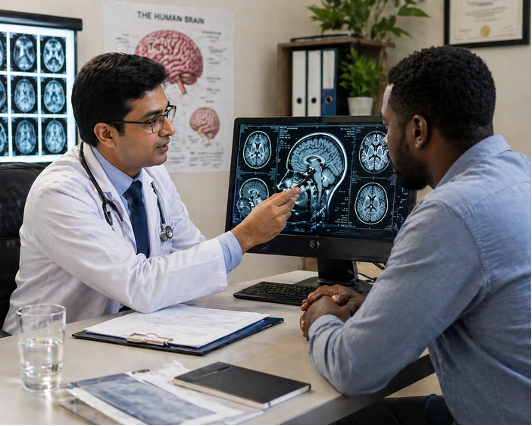
Dr. Vedant Kabra – Leading Surgical Oncologist in India (Cancer Surgery Specialist)
About the Doctor
Dr. Vedant Kabra is a highly experienced Surgical Oncologist in India, currently serving as HOD & Consultant Surgical Oncology at Fortis Memorial Research Institute, one of India’s leading cancer care and super-speciality hospitals.
He is widely recognised for his expertise in advanced cancer surgeries, including breast, gastrointestinal, gynaecological, thoracic, head & neck, and soft tissue cancers. With international fellowship training and extensive surgical experience, he is trusted by patients from Uganda, Kenya, Tanzania, Nigeria, and other African countriesseeking advanced and affordable cancer treatment in India.
His focus is on precise surgical removal of tumours, organ preservation where possible, and improving long-term survival outcomes through multidisciplinary cancer care.

Specialization in Surgical Oncology
Breast & Gynaecological Cancers
- Breast cancer surgery (lumpectomy, mastectomy)
- Ovarian, cervical, and uterine cancers
- Oncoplastic breast reconstruction procedures
Gastrointestinal & Hepatobiliary Cancers
- Stomach and colorectal cancer surgery
- Liver and gallbladder cancer treatment
- Pancreatic cancer surgery
Thoracic & Chest Cancers
- Lung cancer surgery
- Esophageal cancer surgery
- Mediastinal tumour removal
Head & Neck Cancers
- Oral cavity cancers
- Thyroid and salivary gland cancers
- Complex reconstructive tumour surgeries
Other Cancer Surgeries
- Skin and soft tissue tumours
- Bone and sarcoma surgeries
- Cancer screening and preventive oncology
Experience & Achievements
- Internationally trained surgical oncologist
- Clinical fellowship at National Cancer Centre, Singapore
- Multiple award-winning academic and research contributions
- Best resident – Institute of Medical Sciences, BHU
- Gold medallist – Banaras Hindu University (MBBS)
- Recognised research papers and presentations in oncology conferences
Why Early Cancer Treatment Matters
Early diagnosis and treatment significantly improves survival outcomes in cancer patients. Warning signs include:
- Unexplained weight loss
- Persistent lumps or swelling
- Non-healing wounds
- Abnormal bleeding
- Long-term cough or difficulty swallowing
- Changes in skin, moles, or warts
Timely surgical consultation can help prevent cancer progression and metastasis.
Cancer Treatment Approach
Dr. Kabra follows a multidisciplinary approach including:
- Surgical tumour removal
- Organ preservation techniques where possible
- Coordination with chemotherapy and radiation oncology teams
- Preventive cancer screening strategies
- Post-surgical rehabilitation and recovery planning
Why African Patients Choose Cancer Treatment in India
Patients from Uganda, Kenya, Tanzania, and other African countries choose India for oncology care because of:
- Highly experienced surgical oncologists
- Advanced cancer surgery and reconstruction techniques
- Affordable treatment compared to Western countries
- Access to complete cancer care under one roof
- High-quality hospital infrastructure
- Shorter waiting time for surgery and treatment
Frequently Asked Questions
What is the difference between benign and malignant tumours?
Benign tumours are non-cancerous and do not spread, while malignant tumours are cancerous and can spread to other parts of the body.
Is cancer contagious?
No, cancer is not contagious and cannot spread from one person to another.
What is metastasis?
Metastasis is the spread of cancer cells from the original site to other parts of the body.
What are common warning signs of cancer?
Unexplained lumps, weight loss, abnormal bleeding, and persistent pain or cough can be warning signs.
When is surgery required for cancer?
Surgery is required when tumours need to be removed for cure, staging, or symptom control.
Is chemotherapy always required after surgery?
Not always. It depends on cancer type, stage, and overall treatment plan.
Why do African patients travel to India for cancer treatment?
India offers advanced oncology care, experienced surgeons, and cost-effective treatment compared to many countries.