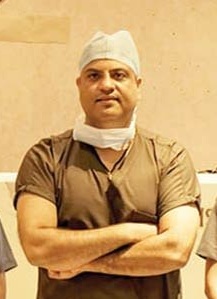
Dr. Sumeet Agrawal – Leading Rheumatologist in Delhi NCR, India
About the Doctor
Dr. Sumeet Agrawal is a highly qualified Rheumatologist in Delhi NCR, currently associated with Artemis hospital in Delhi NCR (India), providing advanced diagnosis and treatment for complex arthritis, autoimmune diseases, and joint disorders.
He is among the few specialists in the region who holds a DM (Doctorate of Medicine) in Rheumatology, making him an expert in managing both inflammatory and non-inflammatory musculoskeletal conditions. His clinical focus includes long-term care of chronic arthritis, autoimmune disorders, and joint pain conditions affecting patients from India and international regions, including East Africa (Uganda, Kenya, Tanzania), Middle East, and other countries seeking specialised rheumatology care in India.

Conditions Treated by Dr. Sumeet Agrawal
Inflammatory Rheumatic Diseases
- Rheumatoid Arthritis
- Systemic Lupus Erythematosus (SLE)
- Ankylosing Spondylitis
- Psoriatic Arthritis
- Reactive Arthritis
- Gout and crystal-related arthritis
- Vasculitis and connective tissue disorders
- Juvenile Idiopathic Arthritis
Non-Inflammatory Joint Conditions
- Osteoarthritis
- Osteoporosis
- Osteomalacia and Rickets
- Fibromyalgia
- Tendinitis and bursitis
- Chronic low back pain
Understanding Rheumatology and Joint Diseases
Rheumatology focuses on diagnosing and treating disorders affecting the joints, muscles, and connective tissues. These conditions often cause joint pain, stiffness (especially in the morning), swelling, redness, and reduced mobility.
Many rheumatic diseases are chronic and require long-term medical management rather than surgery, especially in early stages.
Causes of Rheumatic Diseases
Rheumatic diseases are generally caused by a combination of:
- Genetic susceptibility
- Immune system dysfunction
- Environmental triggers such as infections
- Hormonal factors (more common in women for diseases like lupus and rheumatoid arthritis)
- Repetitive joint stress or injury
In autoimmune conditions, the body’s immune system mistakenly attacks its own tissues, leading to inflammation and joint damage.
Role of Exercise in Joint Health
Regular exercise plays an important role in maintaining:
- Joint flexibility
- Muscle strength
- Range of motion
However, exercise alone does not control inflammation. It should always be combined with proper medical treatment prescribed by a rheumatologist.
Rheumatologist vs Orthopaedic Surgeon
A rheumatologist is a physician who treats medical (non-surgical) joint and autoimmune conditions using medications and long-term disease management.
An orthopaedic surgeon treats structural damage, fractures, and advanced joint degeneration that may require surgical intervention such as joint replacement.
Both specialists often work together for comprehensive patient care.
Why Patients from Africa Choose Treatment in India
Patients from Uganda, Kenya, Tanzania, Nigeria, and other African countries prefer consulting rheumatology specialists in India because of:
- Advanced diagnostic facilities
- Affordable long-term treatment plans
- Expertise in autoimmune and chronic arthritis care
- Access to internationally trained specialists
- High-quality hospitals with multidisciplinary support
Frequently Asked Questions
What is a rheumatologist?
A rheumatologist is a medical specialist who diagnoses and treats arthritis, autoimmune diseases, and disorders affecting joints, muscles, and connective tissues.
What are common symptoms of arthritis?
Common symptoms include joint pain, swelling, stiffness (especially in the morning), warmth, and reduced movement of joints.
Can rheumatic diseases be cured?
Most rheumatic diseases are chronic and cannot be fully cured, but they can be effectively controlled with medication and lifestyle management.
When should I see a rheumatologist?
You should consult a rheumatologist if you have persistent joint pain, swelling, stiffness, or symptoms lasting more than a few weeks.
What is the difference between rheumatoid arthritis and osteoarthritis?
Rheumatoid arthritis is an autoimmune inflammatory disease, while osteoarthritis is caused by wear and tear of joints over time.
Is exercise good for arthritis patients?
Yes, gentle and regular exercise helps improve joint mobility and muscle strength but should be done under medical guidance.
Why do African patients travel to India for rheumatology treatment?
India offers advanced treatment, experienced specialists, and cost-effective long-term management of chronic rheumatic diseases compared to many other countries.